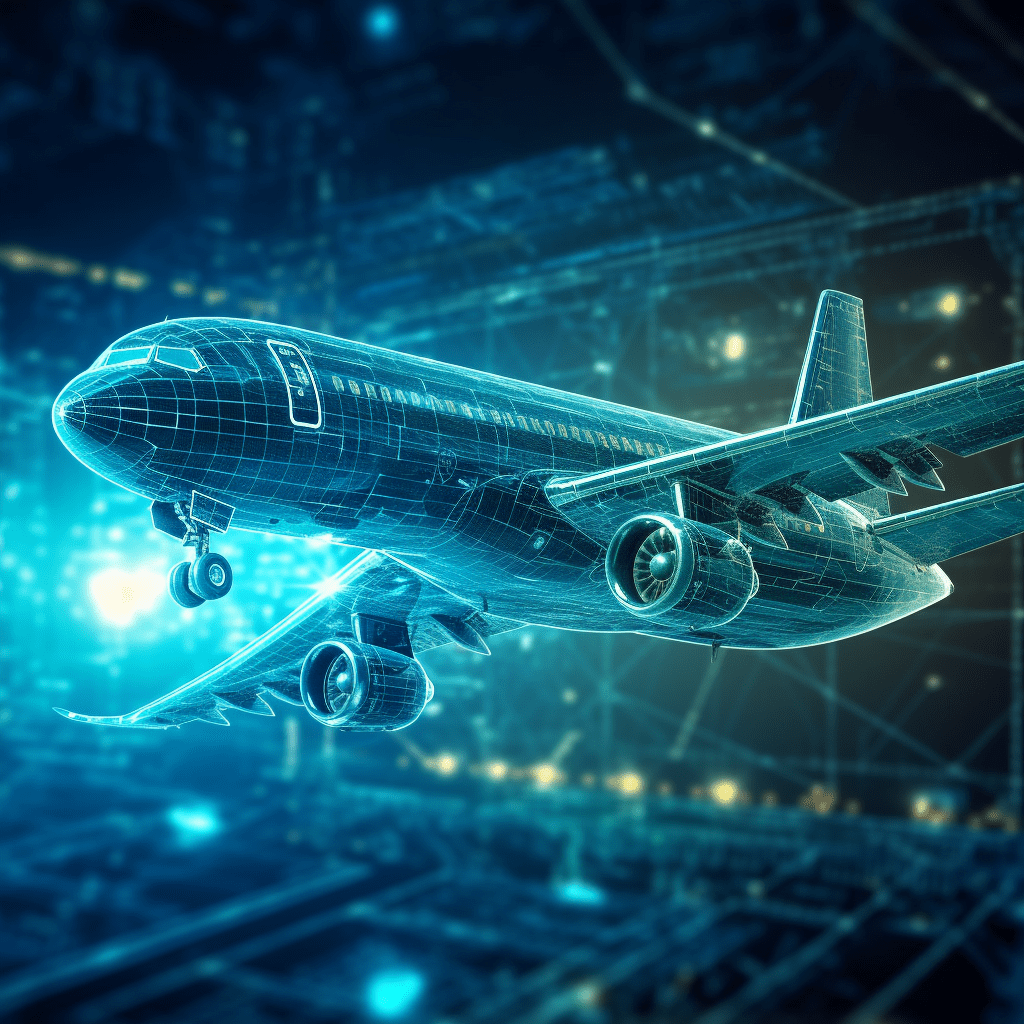
A subject of growing attention and significance is the adoption of 5G technology in the aviation sector. As airlines continue to update their systems and look for ways to improve the traveler experience, 5G networks present a number of potential innovations that might completely change the aviation industry. A difficult conversation has developed between telecom providers, aviation authorities, and airlines as a result of worries that the installation of 5G close to airports could interfere with aircraft instrumentation.
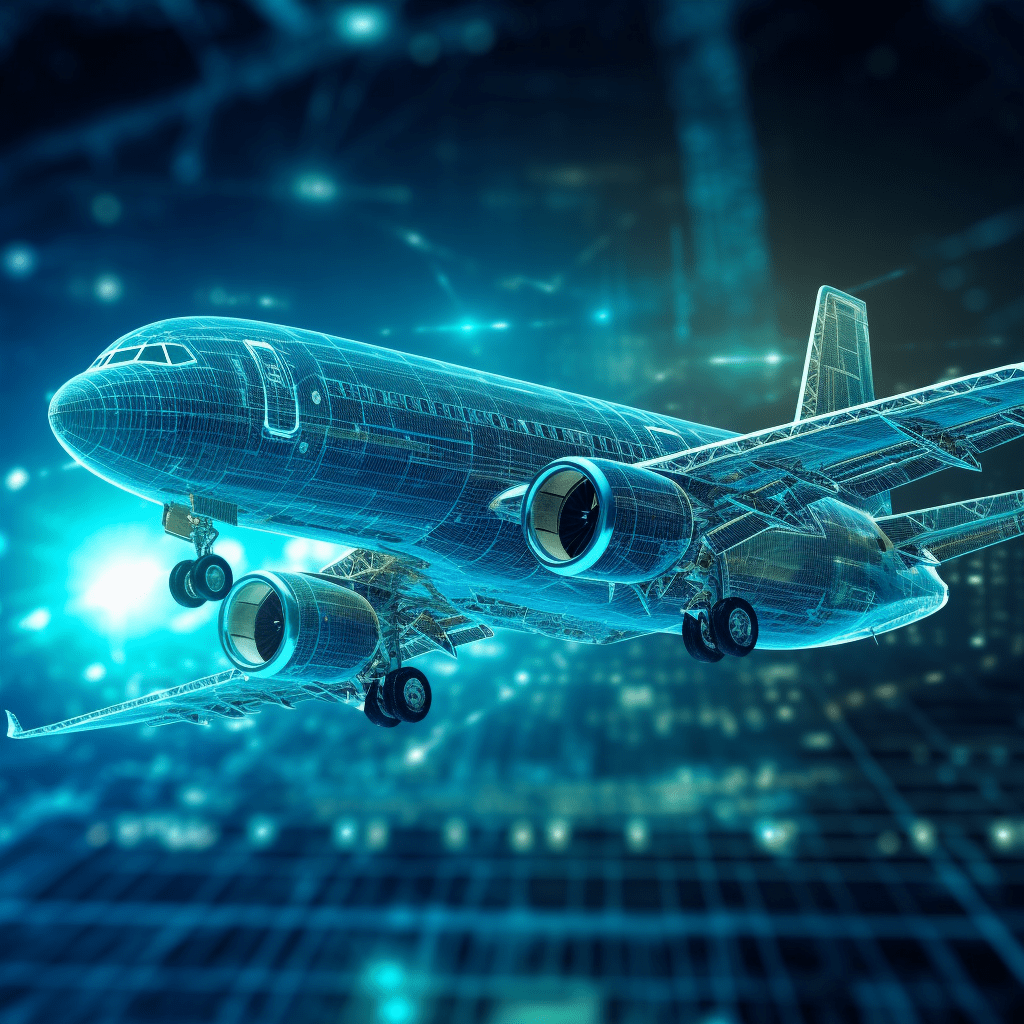
Faster data rates, lower latency, and the capacity to connect more devices at once are all promised benefits of 5G technology. This could have a variety of advantages for airlines. Operationally, 5G might make it possible for ground staff, control towers, and airplanes to share data more effectively, expediting processes like navigation, maintenance, and baggage handling. Real-time data analytics could be used to predict mechanical problems before they become serious or to optimize flight patterns for fuel efficiency, improving safety and sustainability.
The introduction of 5G might result in far better in-flight entertainment choices for passengers, including online gaming and high-definition streaming. Additionally, it can make it simpler to tailor services or deal with problems during the trip by fostering better contact between passengers and flight attendants. Additionally, 5G might make it possible for brand-new capabilities like augmented reality adventures, giving travelers engaging ways to explore their destination or even the scenery as they fly.
In the context of aviation, the introduction of 5G has not been without issues, nevertheless. One of the main worries has been the possibility that radio altimeters, which are essential for safe landing procedures, could be interfered with by 5G transmissions. For instance, the Federal Communications Commission (FCC) and the Federal Aviation Administration (FAA) in the US have been closely collaborating to examine the potential concerns and put safety measures in place, such as buffer zones surrounding airports where 5G transmissions are blocked.
The discussion surrounding 5G and aviation is complicated, taking into account not just technological factors but also legal and safety issues. It will be vital for all stakeholders to work closely together as 5G networks continue to grow to guarantee that the technology can be safely and successfully integrated into the aviation ecosystem. Significant potential benefits for airline operations and the passenger experience must be weighed against the requirement to uphold the highest levels of security and dependability in air travel.
 RoamSphere: Explore, Discover, Wander