Introduction
Hey there! So you’re diving into the world of photography? That’s awesome. Photography isn’t just pressing a button; it’s capturing a moment, an emotion, a story. Ready to enhance your abilities? Let’s get started!
Why Photography Matters
You ever stop to think why you’re drawn to photography? It’s more than a hobby; it’s a form of art and expression. It lets us freeze moments, document our lives, and capture the beauty in ordinary things. So, let’s get you prepped to do just that.
Understanding Your Camera
DSLR vs. Mirrorless
There are advantages and disadvantages to both DSLRs and mirrorless cameras.
DSLRs have a wide range of lenses but are bulky. Mirrorless cameras are more compact but can be limiting. Your choice will depend on what you’re shooting and how you plan to shoot it.
The Importance of Lenses
Choosing the right lens can make or break a photo. A wide-angle lens is perfect for landscapes, while a macro lens is ideal for close-ups. Spend some time getting to know what each lens does.
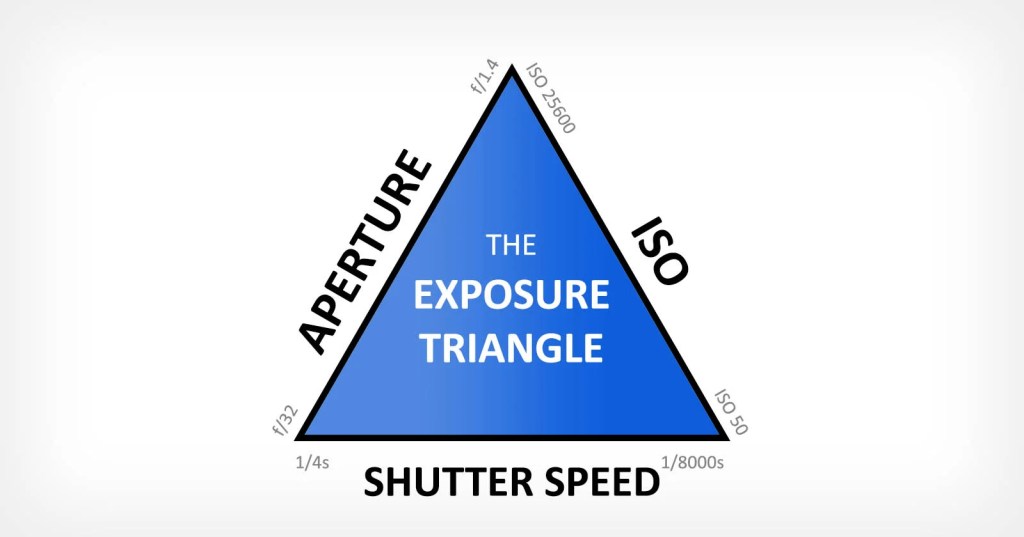
The Exposure Triangle
ISO
Think of ISO as your camera’s sensitivity to light. A lower ISO number (e.g., 100 or 200) is used in bright conditions, while a higher ISO (e.g., 800 or 1600) is for low-light scenarios.
Aperture
The amount of light that reaches your camera’s sensor is managed by the aperture.
A smaller f-number (e.g., f/2.8) means more light and a shallower depth of field.
Shutter Speed
This is how long your camera’s shutter remains open. A fast shutter speed (e.g., 1/1000s) freezes action, while a slower one (e.g., 1s) can create a motion blur effect.
Composition Techniques
Rule of Thirds
Consider how your image would seem if it were divided into nine equal pieces by two vertical lines and two horizontal lines.
Place key elements where these lines intersect. It’s a simple but effective way to make your photos more dynamic.
Leading Lines
Use lines in your composition to lead the viewer’s eye to the focal point. Roads, rivers, and train tracks work great for this.
Framing
Use natural frames like windows, arches, or trees to encapsulate your subject. It adds depth and focus.
Advanced Tips
Experimenting with Angles
Don’t just shoot from eye level. Get low or climb high to find a unique perspective.
Time-Lapse Photography
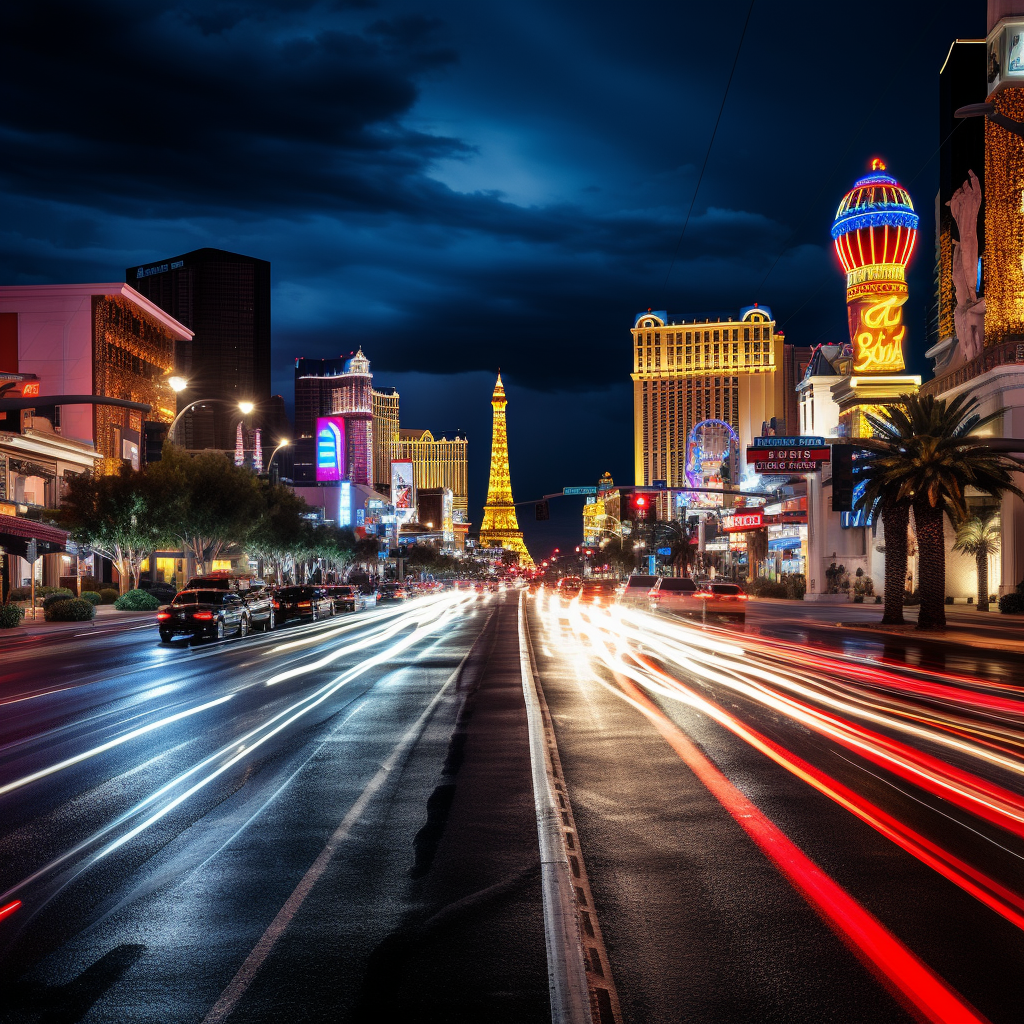
This is capturing a series of images over a period to show movement or change. It requires patience but can produce stunning results.
Macro Photography
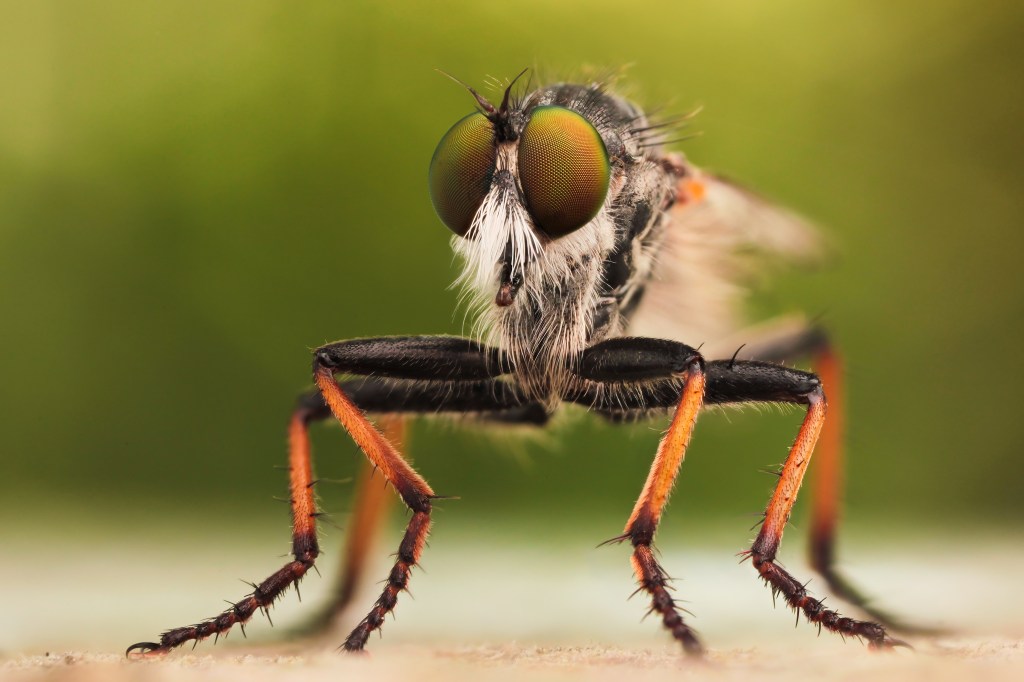
Get up close and personal. Macro photography focuses on small subjects, making them look larger than life.
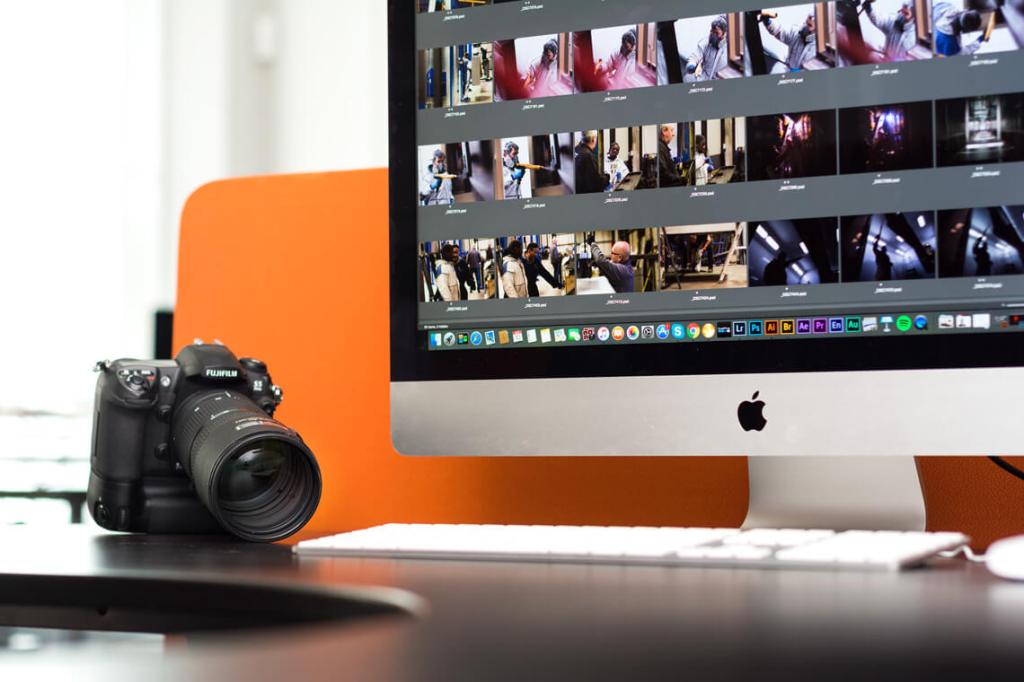
Basic Editing Tips
From cropping to adjusting exposure, simple edits can make a huge difference. Get familiar with software like Adobe Lightroom or Photoshop.
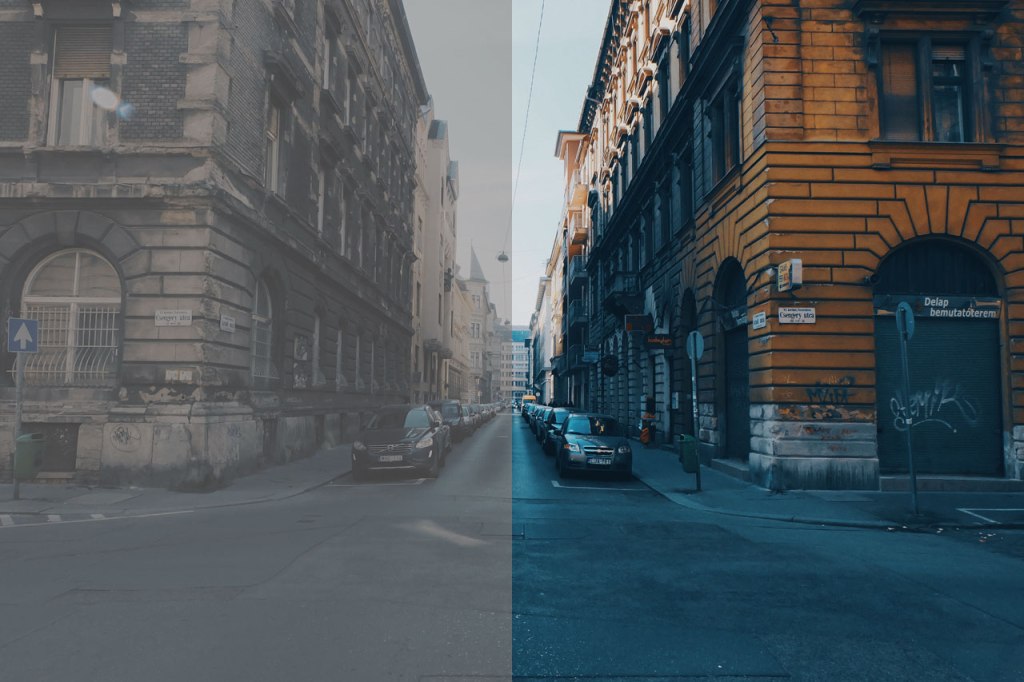
This is where you can really make your photos pop. Color grading adds mood and emotion.
Conclusion
So there you have it, a crash course in upping your photography game. Remember, the best camera is the one you have with you, so get out there and start shooting!
 RoamSphere: Explore, Discover, Wander