The Enchanting World of Istanbul, Turkey

Welcome to Istanbul, a city that defies simple description. Teeming with history, culture, and life, it’s not just a place; it’s an experience.

The Bridge Between Continents

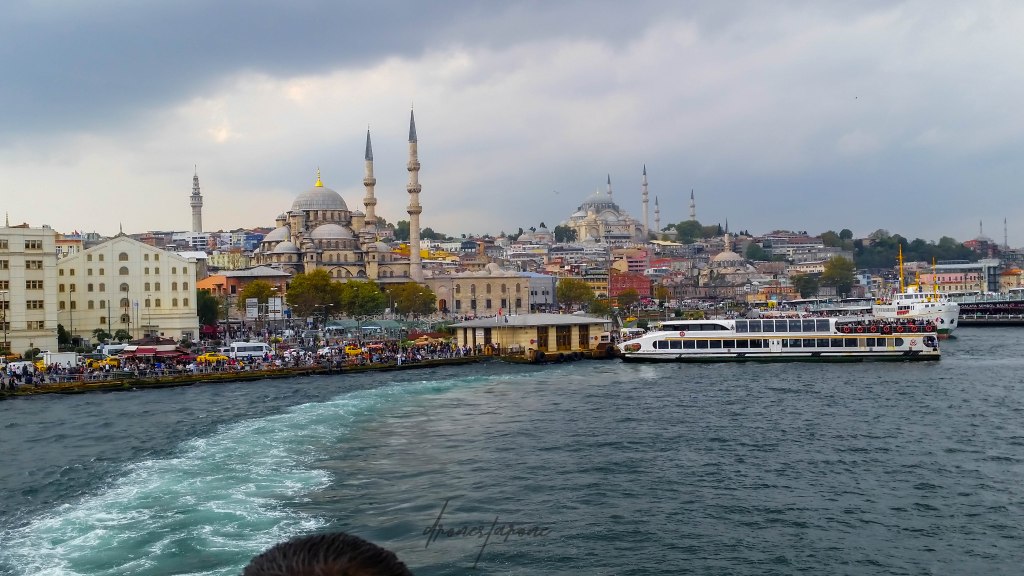
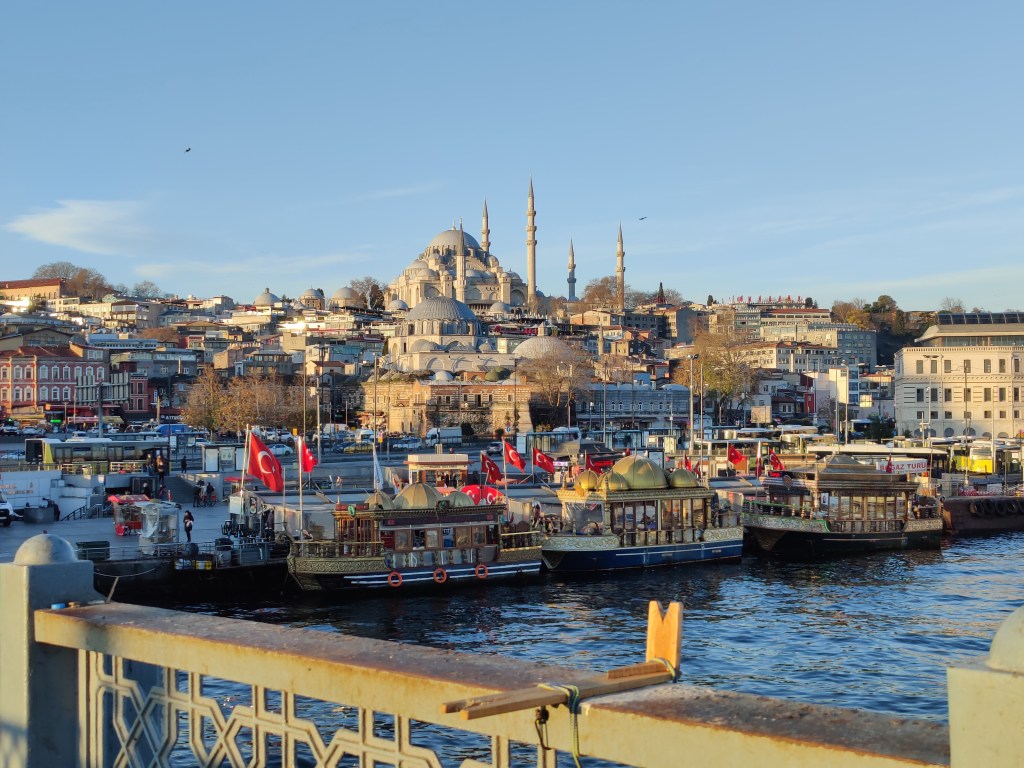
Istanbul is unique for more reasons than one can count, but its position as the gateway between Europe and Asia is one of its most extraordinary features.

The Rich History of Istanbul
Byzantium to Constantinople to Istanbul

From being Byzantium to Constantinople, the city has been the seat of two world empires. What Rome was to the west, Byzantium was to the east.

Ottoman Empire’s Jewel

After the fall of Byzantium, the Ottoman Empire made the city a symbol of Islamic art and architecture.

Modern Istanbul
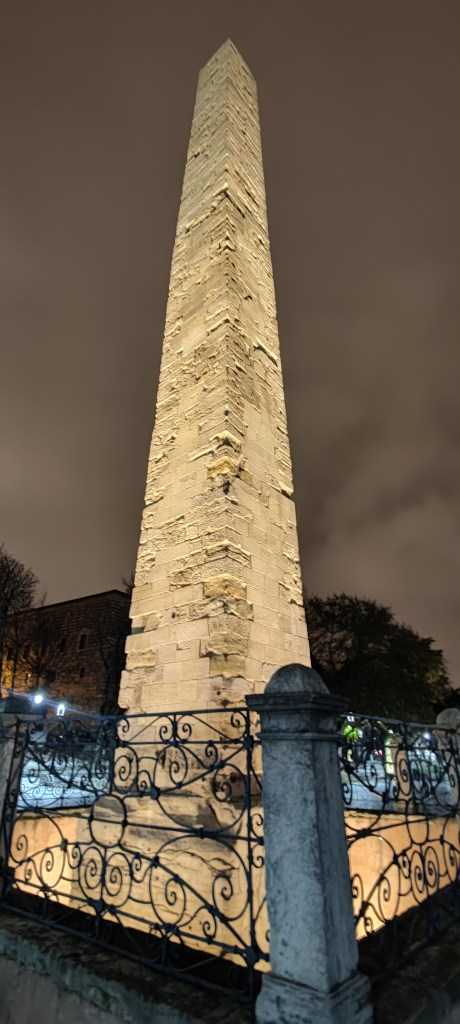
Today, Istanbul thrives as Turkey’s cultural and financial hub, combining ancient history with the complexities of the modern world.
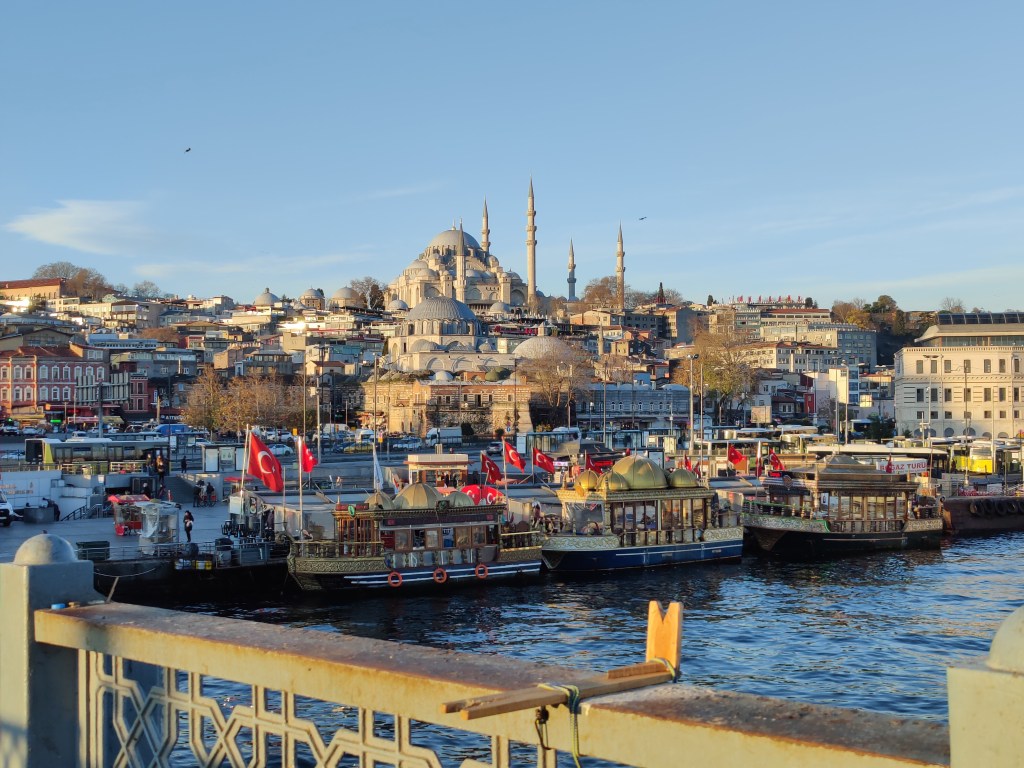
Architectural Marvels

Hagia Sophia
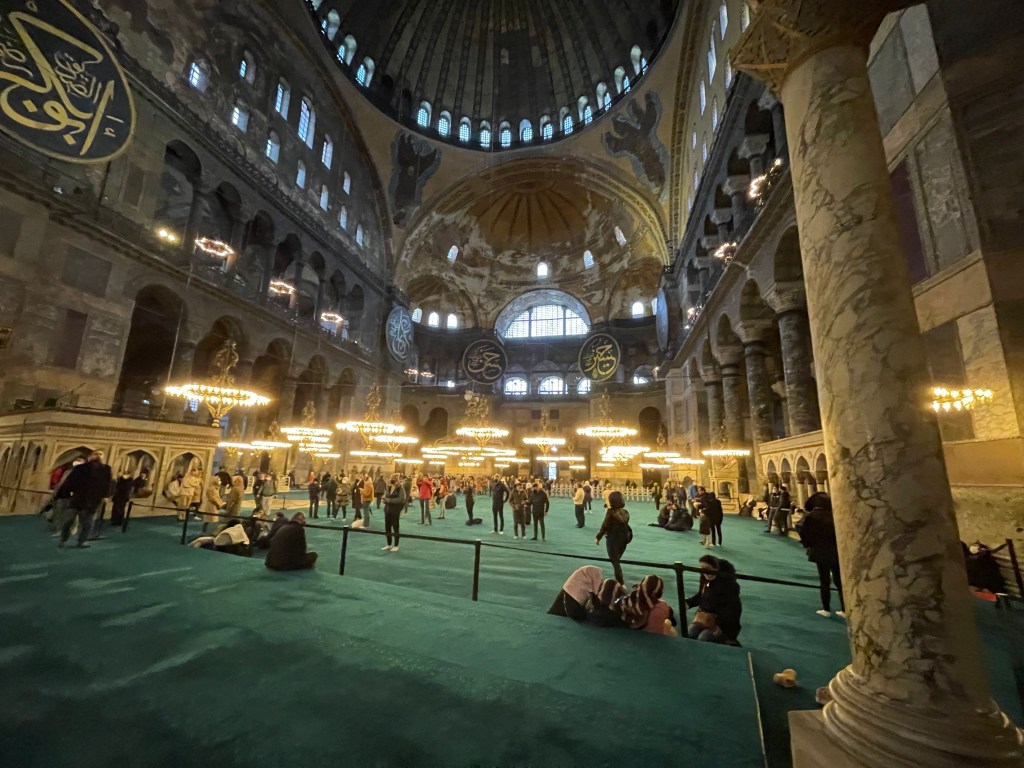
The Hagia Sophia is an embodiment of Byzantine architecture. Once a sanctuary for prayer, then a hallowed mosque, it now stands as a museum—capturing the essence of time and faith.

Baklava, and Turkish Tea
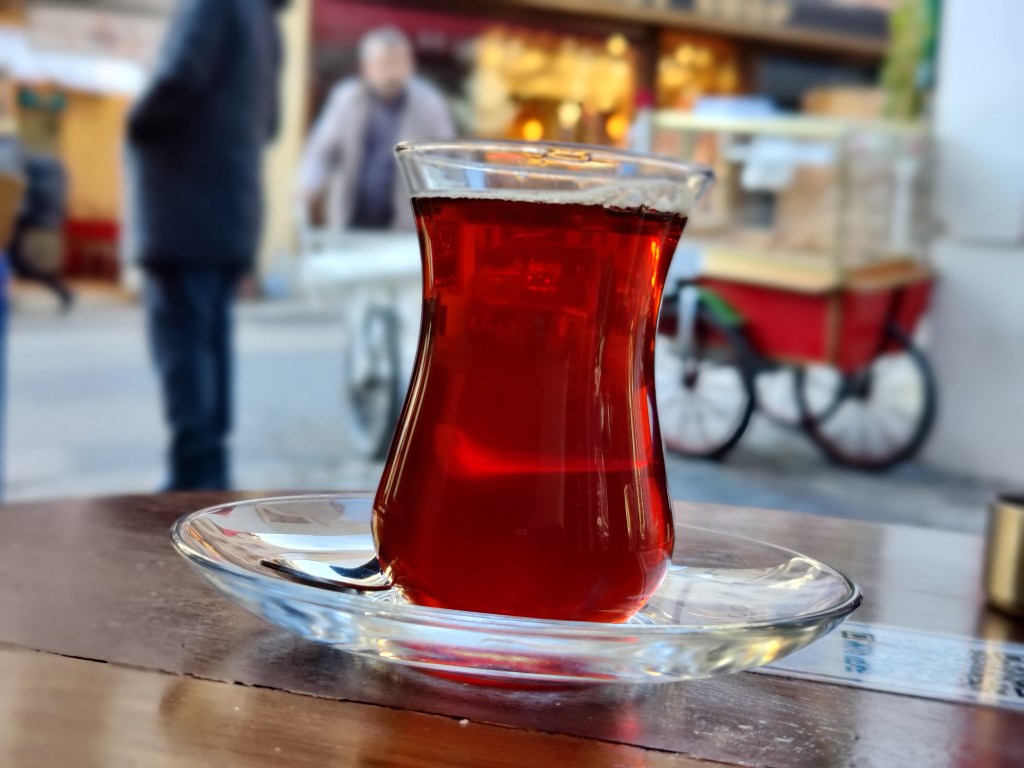
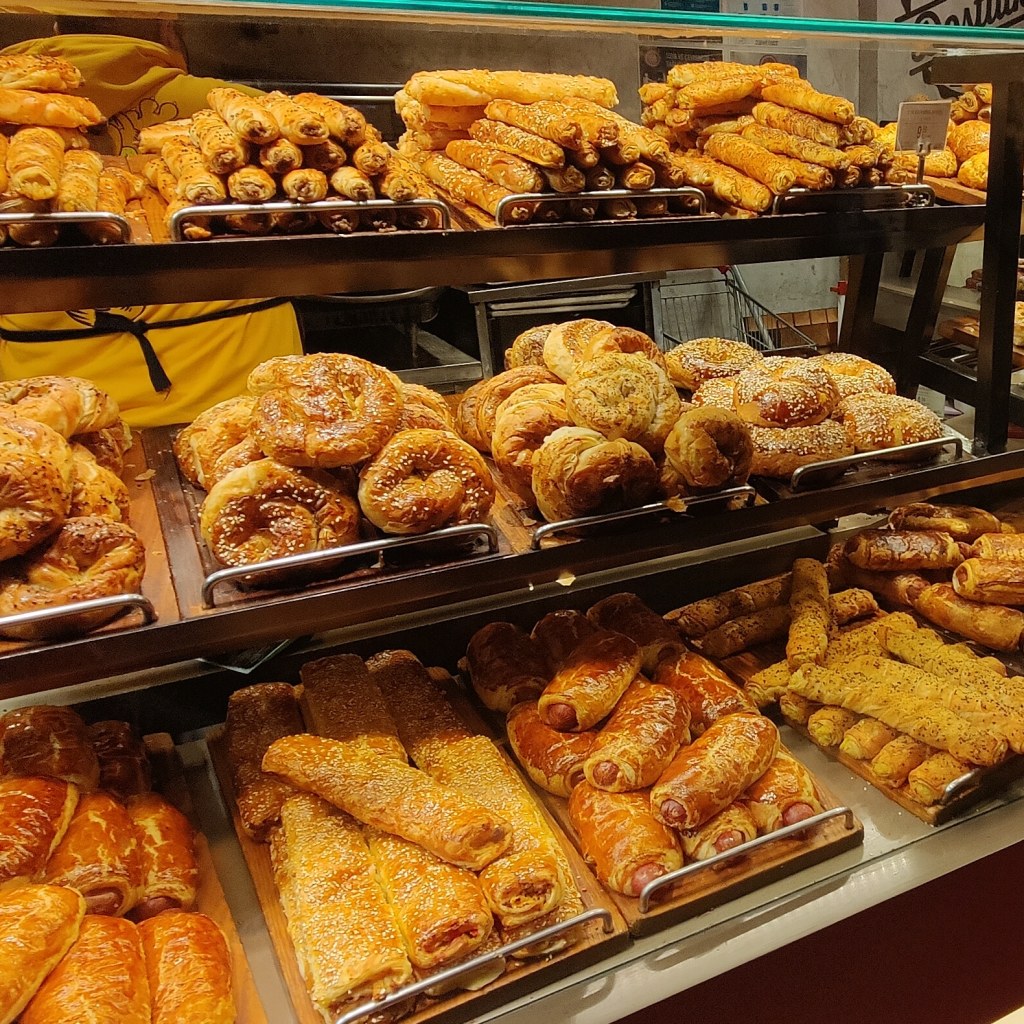
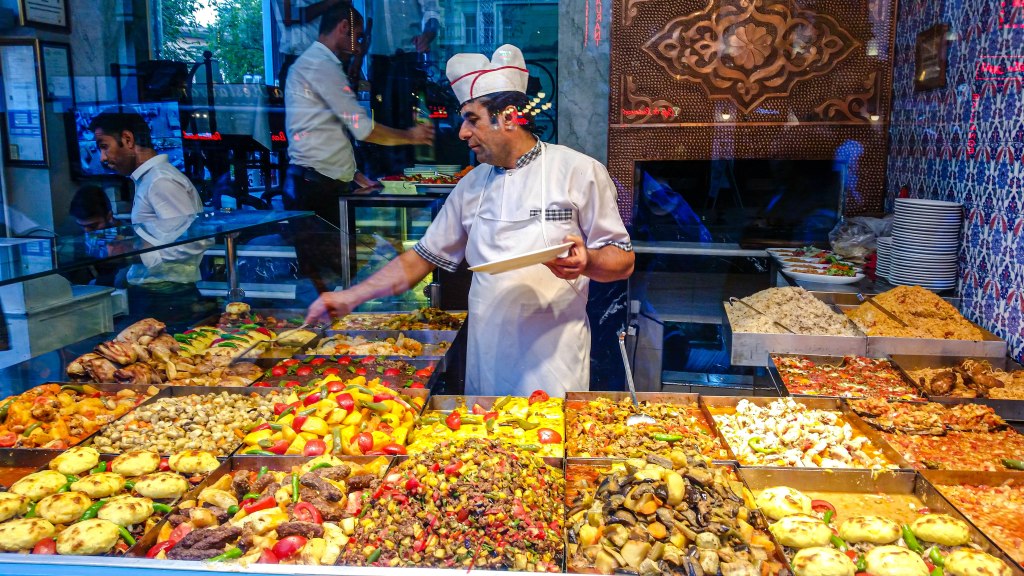
Dining in Istanbul is a treat for the senses. The city offers everything from kebabs to sugary baklava and traditional Turkish tea.

Street Food Staples
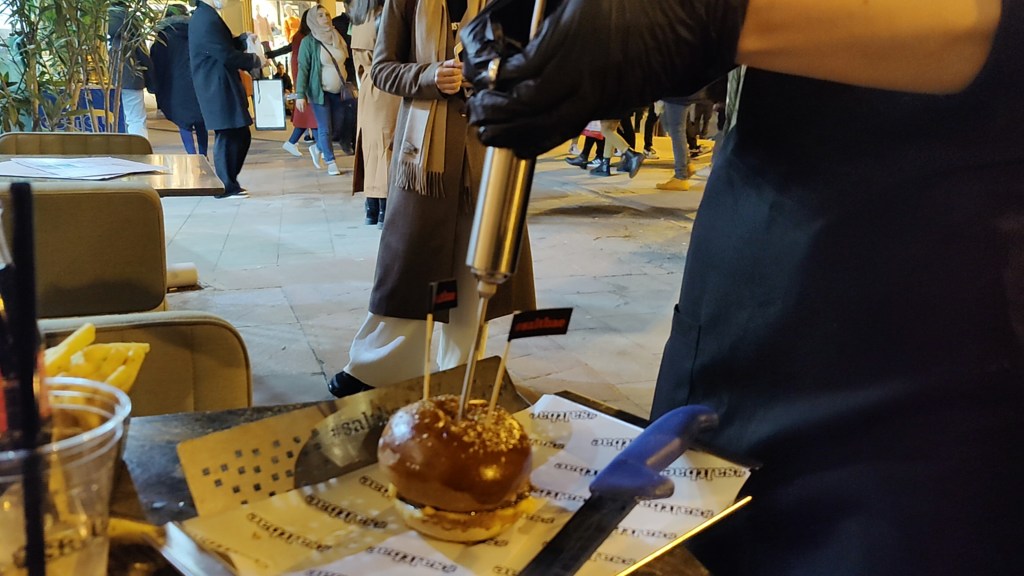
Simit and corn on the cob are popular street foods, providing a quick snack as you explore.

Unique Experiences

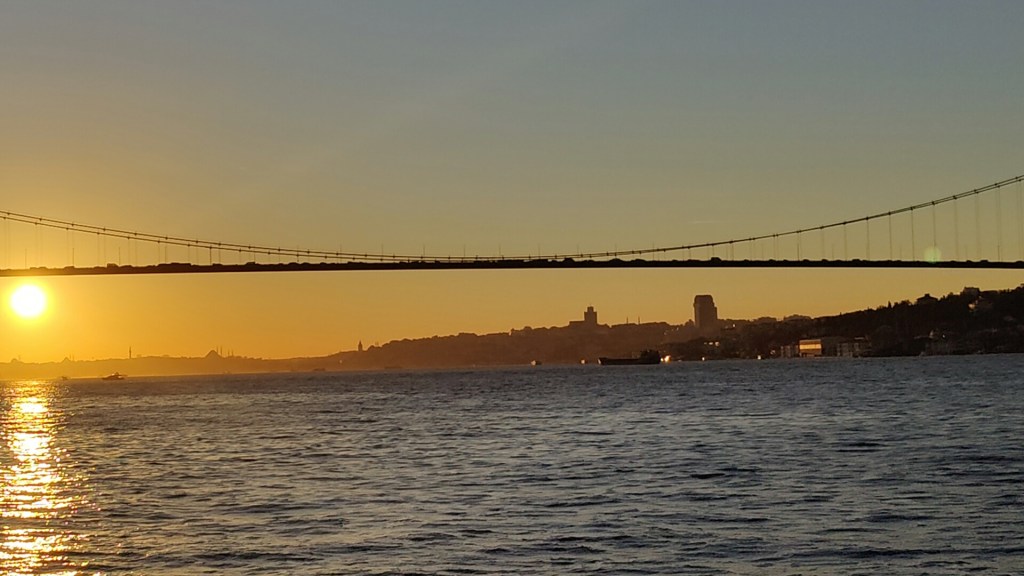
The Bosphorus Cruise
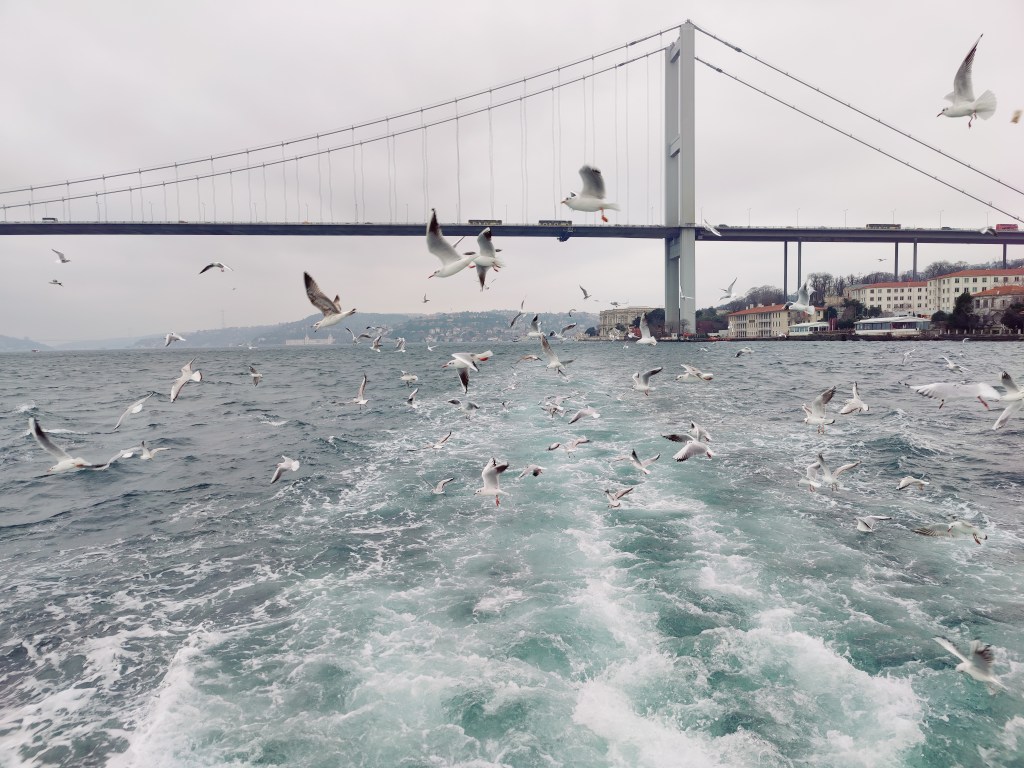
Taking a cruise on the Bosphorus is akin to traveling through time.

Shopping in Istanbul

Shopping in Istanbul is a cultural odyssey that spans centuries, where you can haggle over antique trinkets in historic bazaars by day and browse cutting-edge fashion in glitzy malls by night. From the aromatic allure of spice markets to the modern sheen of designer boutiques, Istanbul offers a retail experience that is as diverse as its own storied history.

Allure of Istanbul’s Mosques
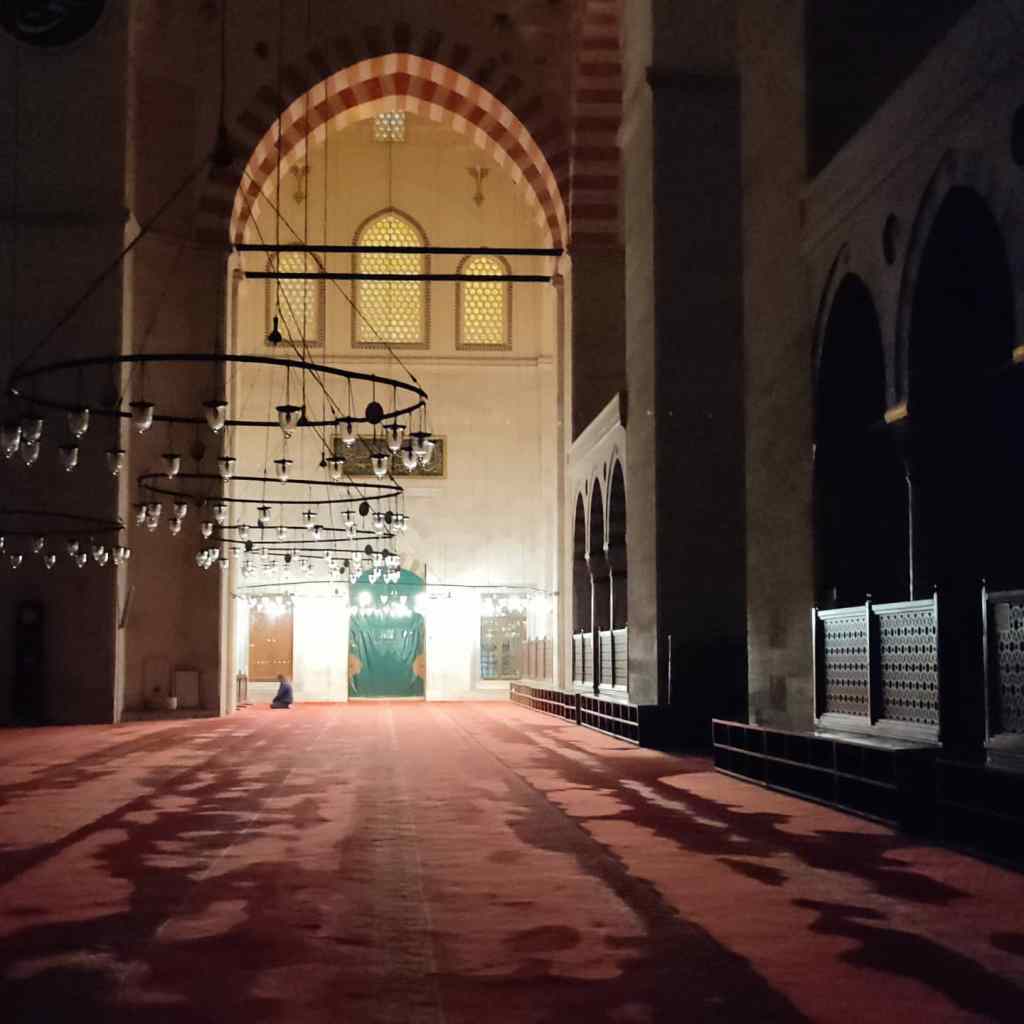
Istabul’s Houses of worship extend beyond basic building designs; they envelop us in a profoundly moving passage into the nucleus of beliefs and customs. Every spire and rotunda narrates a chronicle of dedication, reverberating with generations of appeals and seizing the essence of a metropolis where civilizations converge.

Conclusion

Whether it’s history, food, or experiences you’re after, Istanbul offers an enriching adventure that captivates every kind of traveler.
Frequently Asked Questions

What is the best time to visit Istanbul?

Spring (April to June) and fall (September to November) are the best times. The weather is pleasant, and it’s not too crowded.


How many days are sufficient for an Istanbul trip?

Around 5-7 days would give you a good feel of the city, its history, and culture.


Is it safe to travel to Istanbul?

Generally, Istanbul is safe, especially in touristy areas. Just take the usual precautions like you would in any big city.


What should I absolutely not miss when in Istanbul?

Don’t miss the Hagia Sophia, Blue Mosque, and the Bosphorus Cruise.


Do people speak English in Istanbul?

In tourist areas, you’ll find many people who speak English. But it’s less common in less touristy areas.

How to get to Istanbul

Wondering how to get there without a hitch? Look no further! We’ve found the ultimate source to guide you through your journey: WayWay.com.
Title: A Guide for Beginning Photographers: Choosing Your First Camera

Introduction

Entering the world of photography is an exciting venture, and choosing the appropriate camera is the first and most important step. The abundance of camera options could be too much for a beginning photographer to handle. Do not be alarmed; this article seeks to demystify the process and assist you in selecting the ideal camera for your growing photography career.

1. Understanding your needs and goals is step one.

Consider your photography goals for a moment before diving into camera details. Think on the themes you are most interested in photographing, such as landscapes, people, animals, or urban settings. Your choice of camera and lenses will depend on the type of photography you prefer.

2.Budget considerations, second

A tripod, memory cards, lenses, a camera bag, and any additional equipment should all be included in your budget. Remember that purchasing lenses and other accessories might be just as crucial as selecting the right camera.

3. Camera Types for Novices

  a. An example of a smartphone camera The camera on your smartphone can be a great place to start if you’re just getting started. Modern smartphones have superb cameras that are great for learning the fundamentals of lighting and composition.

   b. A little point-and-shoot camera These cameras are reasonably priced, simple to operate, and incredibly portable. They are ideal for novices who seek a straightforward, hassle-free camera for regular photography.

   c. Mirrorless camera The image quality of mirrorless cameras is superb and they are portable. They have the benefit of interchangeable lenses and manual controls for creative versatility, making them a flexible option for novices.

d. Digital Single-Lens Reflex (DSLR) Camera The image quality and manual control capabilities of DSLRs are well-known. They are a little bit bigger and heavier than mirrorless cameras, but they are a great option if you want room to grow and want to experiment with different types of photography.

e.  Bridge Camera Between small point-and-shoot cameras and more sophisticated cameras are bridge cameras. They frequently offer some manual control, a fixed lens, and a wide zoom range.

4. Dimensions and Portability

If you intend to carry the camera around with you frequently, pay attention to the camera’s size and weight. Cameras that are lighter and smaller could be more practical for casual shooting and travel.

5. Easy of Use

If you’re a beginner, seek for a camera with simple settings and functions that fit your level of experience. Many cameras have preset settings that let you gradually learn.

6. Reviews and research

Utilize online resources and camera reviews to learn more about different camera models. Reading user reviews and professional perspectives can be a very helpful decision-making tool.

Conclusion

In conclusion, your particular demands, objectives, and financial situation will ultimately determine the best camera for a beginning photographer. Spend some time considering the many camera alternatives, your financial situation, and your photographic interests. Remember that the best camera is the one that gives you the ability to develop as a photographer, regardless of whether you begin with a smartphone, compact camera, mirrorless camera, DSLR, or bridge camera. Cheers to the gun!