
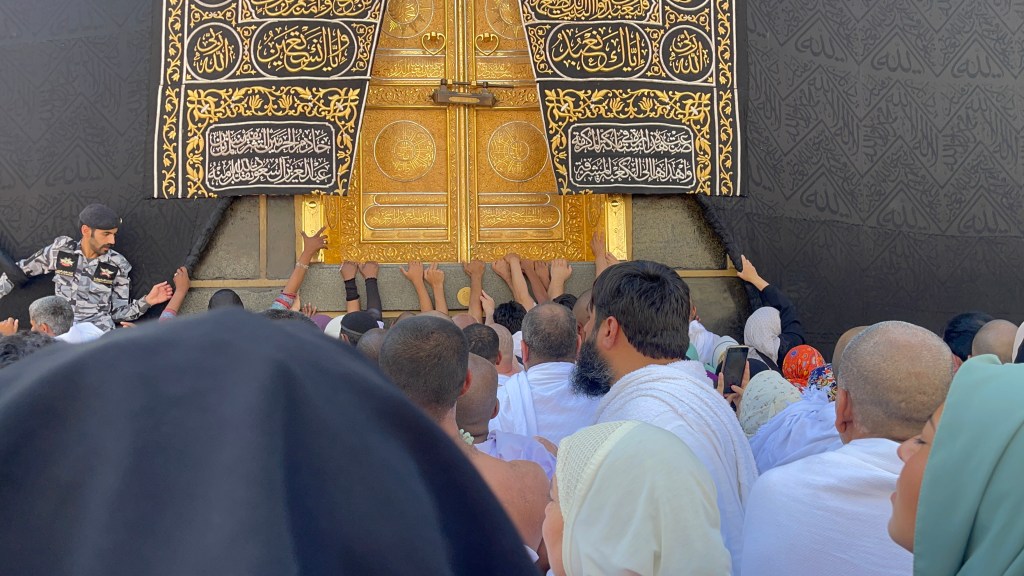
Religious pilgrimages to Mecca see a proportional rise in the number of participants as the population of the world rises. Maintaining safety, security, and a spiritual environment for millions of pilgrims has always been a difficult challenge, and it is made considerably more difficult by the necessity to manage the logistics of such vast groups. Artificial intelligence (AI) may be the game-changer that not only makes this enormous logistical task simpler but also improves the pilgrims’ overall experience in Mecca.
The Expanding Problem
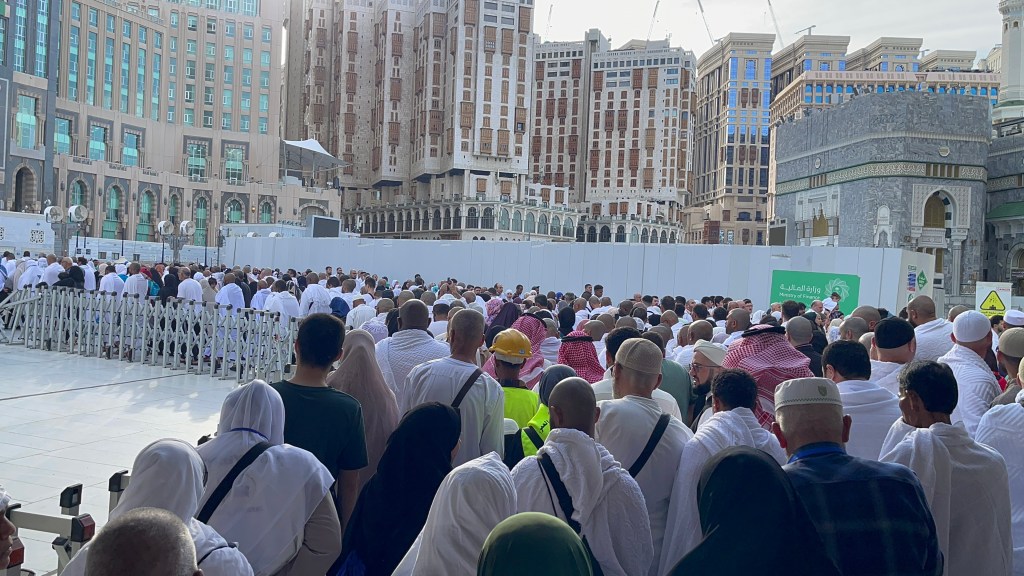
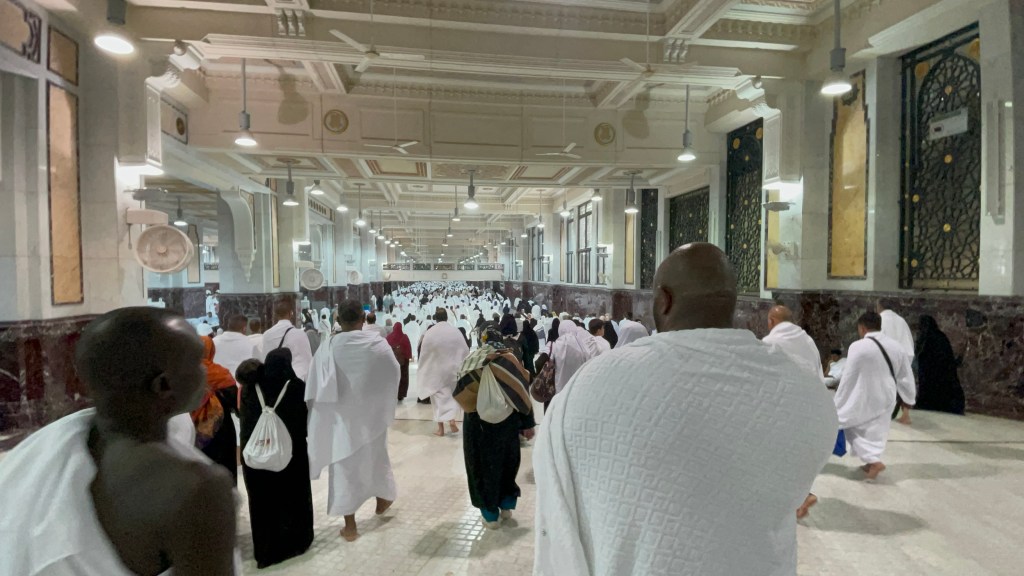
For the Hajj and Umrah, two of the largest religious gatherings on earth, millions of Muslims from all over the world travel to Mecca each year. When it comes to using technology to control these crowds, the Saudi Arabian government has always been at the forefront of the field. Traditional systems, nevertheless, are struggling to keep up with the growing population. There is an increasing demand for more intelligent, responsive systems across industries like housing, transportation, emergency services, and healthcare.
The AI Advantage
AI systems can be configured to handle certain crowd control problems at Mecca. It is easier to control the flow of people during high-density rituals like the “Tawaf” surrounding the Kaaba when machine learning algorithms are used to assess historical data and real-time information to predict crowd movements. Technologies that use facial recognition can speed up identification procedures, enable a more secure setting, and ensure that missing people are discovered as soon as possible.
Cultural and Ethical Considerations
The use of AI in such a sensitive religious context, however, presents its own set of difficulties. There are questions regarding the morality of surveillance and data collection, as well as whether the sacredness of the journey can be jeopardized. It is essential for stakeholders to create systems that are open, moral, and compliant with Islamic beliefs in order to overcome these problems. AI can be used respectfully and properly if there is an open communication with religious leaders and the Muslim community worldwide.
Future Opportunities for Collaboration
The creation of intelligent systems specifically designed for Mecca could be accelerated by collaborating with foreign AI experts given that Saudi Arabia has been investing more money in technological infrastructure and AI research. Furthermore, the knowledge obtained by employing AI for crowd control at Mecca might be used for other sizable events throughout the world, from sporting competitions and concerts to major religious gatherings like the Kumbh Mela in India.
Conclusion
The use of AI to control larger crowds in Mecca appears to have a bright future. As technology develops, AI’s function is expected to change from being only a logistical aid to becoming an essential component of the pilgrimage experience. For millions of devotees, it can make the journey easier, safer, and more meaningful. But as we grow, finding a middle ground between technical development and moral issues will be crucial to maintaining the reverence and significance of this eternal voyage.
By embracing AI, Mecca may remain a location where antiquated customs and cutting-edge technology converge, safeguarding the security and spiritual wellbeing of everyone who travels there to take part in this amazing journey of faith.
 RoamSphere: Explore, Discover, Wander